
Shore-to-Ship Isolation Transformers
- Home
- Shore-to-Ship Isolation Transformers
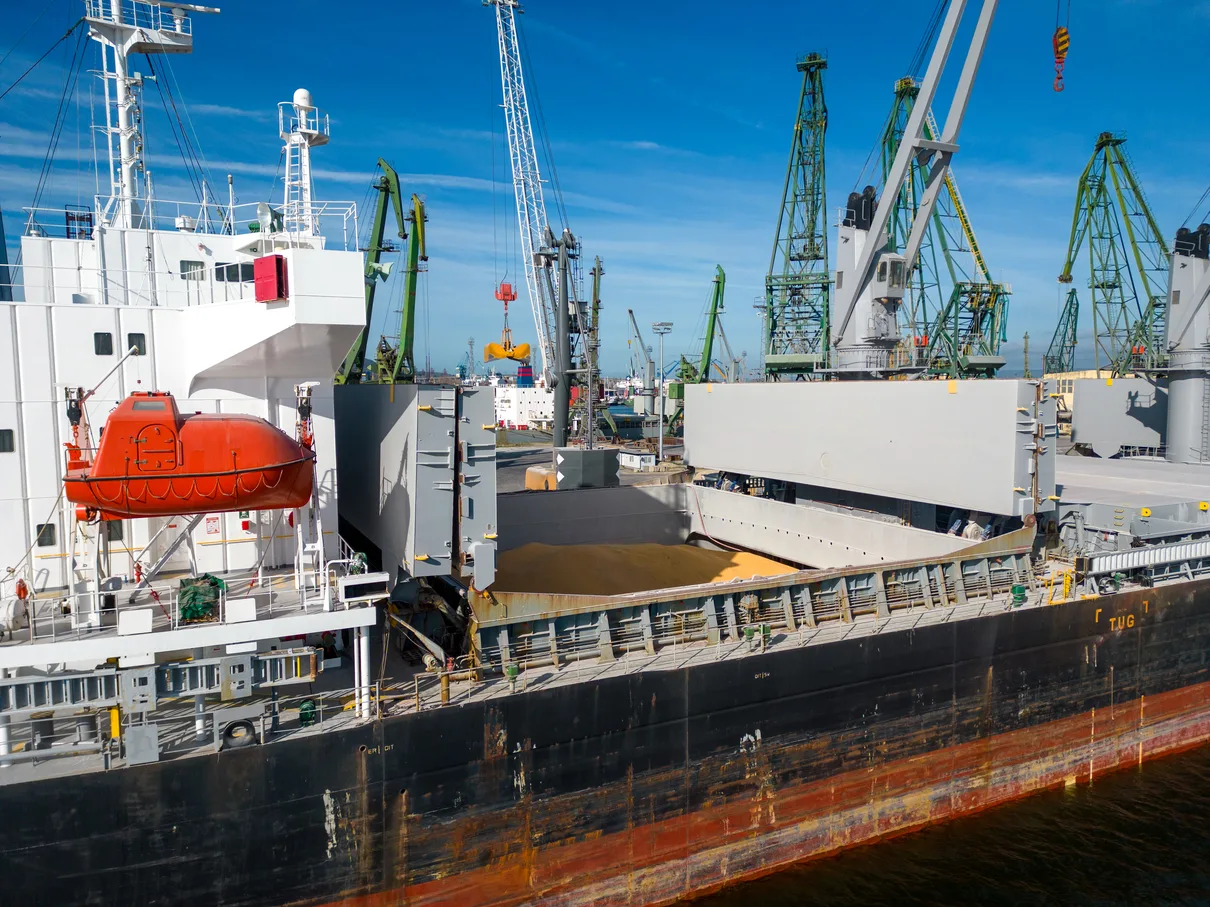
Secure, Stable and Efficient Power Transfer for Port Electrification Systems
Shore-to-Ship power systems — also known as Cold Ironing — have become a critical component of modern port infrastructure. In order to comply with environmental regulations, reduce emissions, and improve operational efficiency, vessels must shut down onboard generators while at berth and connect safely to onshore power supply.
ESTA Shore-to-Ship Isolation Transformers are engineered to provide galvanic isolation between the port grid and the vessel’s electrical system, ensuring safe, compliant, and high-quality power transfer.
Electrical Scope
Power Range
500 kVA – 20 MVA
Voltage levels
400 V – 36 kV
Frequency
50 Hz / 60 Hz
Multi-voltage adaptation
(shore-to-vessel matching)
Off-load or On-load tap changer options
Harmonic load compatible design
Fully customized configurations available for project-specific requirements.

Applications

Cruise vessels

Ro-Ro and container ships

Naval port facilities
Offshore support vessels
Port electrical substations

Terminal power distribution systems
Why Isolation is Essential in Shore-to-Ship Systems
Shore connection systems involve:
- Different grounding systems
- Potential differences between shore and vessel
- Leakage current risks
- Galvanic corrosion exposure
- Harmonic distortion from nonlinear loads
ESTA Isolation Transformers provide:
- Electrical separation between shore and ship
- Prevention of galvanic corrosion
- Improved power quality
- Extended equipment lifespan
- Enhanced operational safety
Design Features
- Marine-grade structural construction
- C4 / C5-M corrosion protection system
- Low-loss magnetic core design
- High short-circuit withstand capability
- Windings optimized for harmonic-rich environments
- Compact and modular configuration
- Outdoor or containerized installation options
Environmental & Operational Durability
Designed to withstand
Designed to withstand:
- Salt-laden coastal environments
- High humidity conditions
- Sudden load transitions
- Continuous duty operation
- Heavy current switching events
All materials and insulation systems are selected to ensure long-term reliability in port and offshore installations.
Engineering Capability
ESTA provides full integration support for shore-to-ship power systems, including:
- Voltage matching studies
- Grid compatibility assessment
- Harmonic analysis
- Short-circuit calculations
- Project-specific FAT procedures
- Interface coordination with shipyard and port authorities
We deliver engineered solutions — not standard catalog equipment.
Why ESTA?
Shore-to-Ship systems are not simply transformer installations — they are critical infrastructure interfaces between two independent electrical networks.
ESTA combines marine engineering expertise, high manufacturing standards, and project-level customization to ensure safe, reliable, and regulation-compliant shore power integration.
Standards & Compliance
Designed and manufactured in accordance with:
- IEC 60076
- IEC / IEEE 80005 (Cold Ironing standard)
- Applicable marine classification requirements
- European port electrification regulations
Certification support available upon request.
Operational Advantages
- Compliance with environmental regulations
- Reduction in fuel consumption and emissions
- Improved onboard power stability
- Protection against galvanic corrosion
- Long service life
- Project-driven customization flexibility